
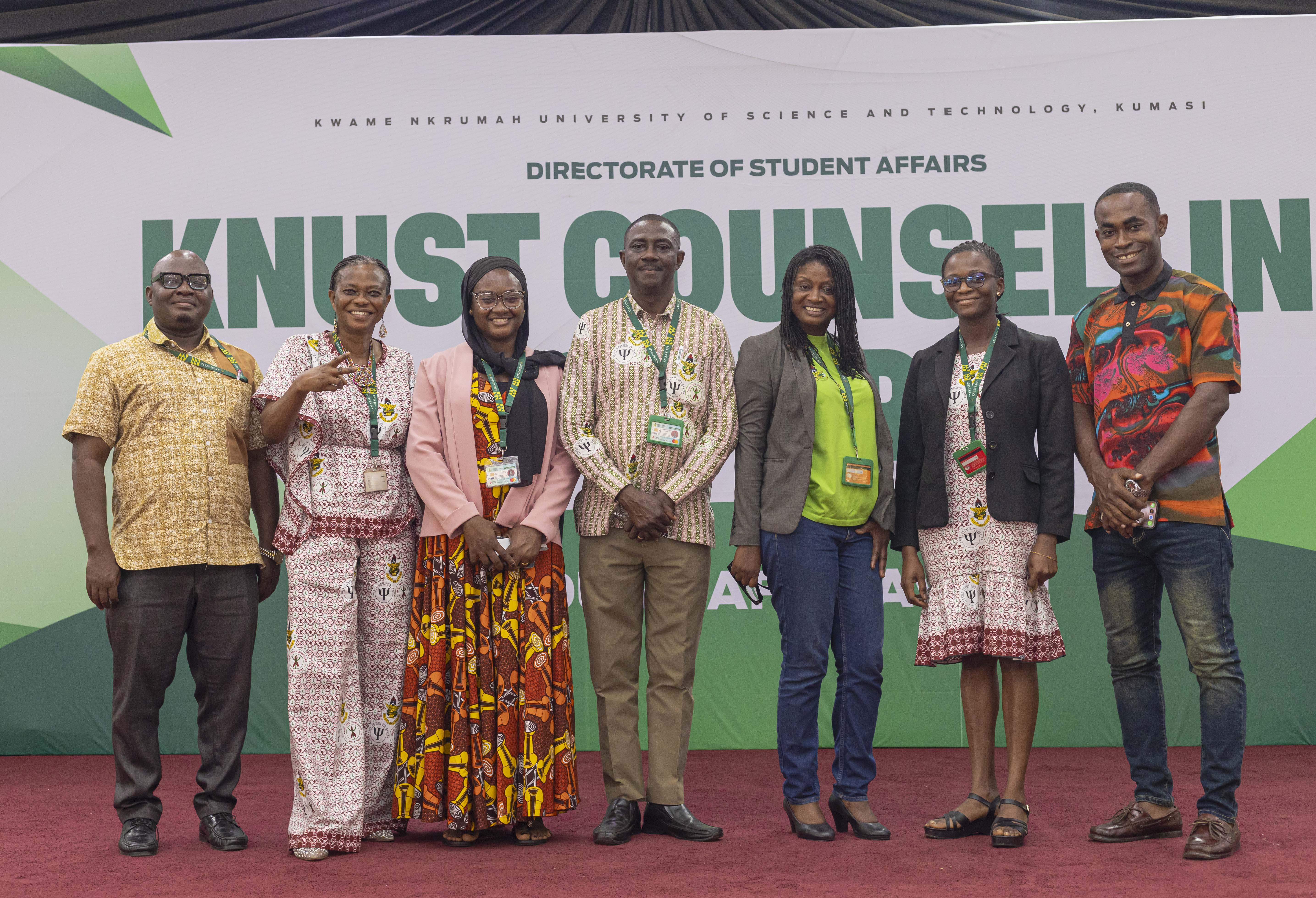
The KNUST Counselling Centre (KCC) has organized a Counselling and Emotional Health Awareness and Promotion seminar for senior high school students as part of efforts to promote mental well-being among members of the university community and the public.
The initiative seeks to raise awareness about emotional health, equip students with coping strategies, and encourage positive mental health practices among young people.

Welcoming students from various schools, Mrs. Bernice Serwaah Ofosuhene Peasah, speaking on behalf of the Head of Counselling Centre, Dr Joseph Asamoah Gyawu, underscored the importance of the program in shaping the future of young people.
“Today’s program is designed to provide valuable information to help you make informed decisions concerning your educational and career choices. We also hope to equip you with the knowledge and skills needed to maintain positive mental and emotional well-being,” she said.
She encouraged participants to actively engage in the sessions and take advantage of the guidance being offered.
During a presentation on career planning, Ms. Joana Joseline Hackman, Counselling Psychologist, highlighted the need for students to align their career choices with their interests, personality traits and passions. She explained that understanding one’s strengths and personality is essential in selecting suitable career paths and academic programs.
“Every personality has a particular job that best suits it. Before choosing a program or university, students must consider their interests, passion, career prospects and the skills required for success,” she noted.
Ms. Joana further advised students to research universities and programs thoroughly, seek mentorship from professionals, and consider factors such as academic requirements, costs, career opportunities and personal satisfaction before making decisions.
A panel discussion on rising indiscipline in Ghana high schools; causes and solution has spotlighted growing concerns about indiscipline in senior high schools, with panelist pointing to social media exposure, peer pressure, mental health challenges, and overcrowded classrooms as key drivers.
Mr. Alexander K.T. Hackman raised concerns about increasing student access to mobile devices and online content, noting that digital exposure is reshaping behavior on campus. He linked rising cases of misconduct to weak self-regulation among adolescents, stressing that “social media has made these issues more visible and widespread,” while cautioning against declining discipline in schools.
A student contributor, Salamatu Adam, attributed some indiscipline to peer influence, inconsistent enforcement of school rules, and differing student circumstances, including lateness patterns and home challenges. She noted that behavior is often shaped by environment and how rules are enforced.
Ms. Akua Afriyie Addae explained that many behaviours may reflect underlying emotional and psychological struggles. She said depression, trauma, anxiety and identity-seeking during adolescence are often cries for help rather than mere acts of defiance.
She also pointed to brain development factors that affect decision-making and self-control among young people.
Ms. Addae emphasized the impact of large class sizes on discipline and academic supervision, noting that overcrowding limits teachers’ ability to monitor student behavior effectively and build close relationships.
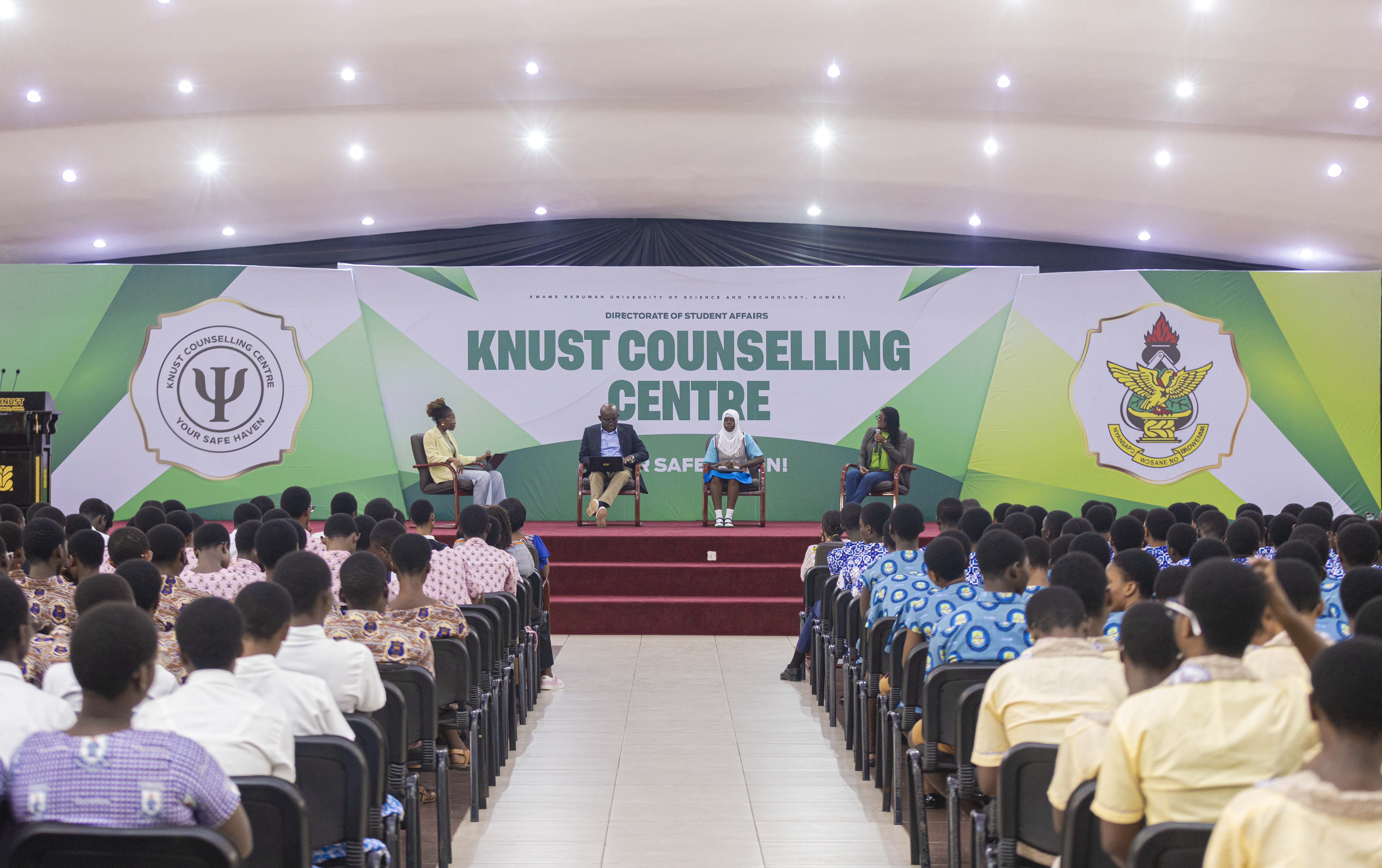
The discussion also examined school discipline systems, with participants questioning the effectiveness of punitive approaches. Concerns were raised about inconsistent disciplinary methods, weak referral to counselling units, and strained teacher-student relationships.
The panel further addressed the role of counselling services in schools. Panelists observed that stigma, confidentiality concerns, and misconceptions about counselling prevent students from seeking help. They called for rebranding counselling units as student support systems and increasing proactive engagement through peer counsellors and early interventions.
The panelist called for stronger mentorship, improved communication, and supportive school environments that encourage voluntary discipline rather than fear-based compliance.


